How to Choose the Best Wearable Health Devices in the UK
How to Choose the Best Wearable Health Devices in the UK
TL;DR: To choose wearable health devices in the UK, first define your goals (fitness, sleep, heart or metabolic health), then pick a form factor (watch, tracker, ring, patch or specialist device) that you will actually wear every day. Next, compare sensor accuracy, the specific metrics you care about, battery life, comfort, app quality, UK data protection compliance (UK GDPR), NHS relevance and total cost including subscriptions. Finally, prioritise brands with transparent science, clear UK support and evidence‑backed features.
Key Takeaways
- Start with your health and fitness goals, then choose the wearable category that fits (tracker, smartwatch, ring, patch or hybrid).
- Prioritise data quality, ease of use, and app experience over flashy features you will not actually use.
- In the UK, consider NHS-aligned features, UK customer support, warranty terms and data protection (UK GDPR) before buying.
- Always check subscription costs, battery life, comfort and compatibility with your phone and other health apps.
How do I choose the right wearable health device in the UK?
To choose the right wearable health device in the UK, begin by clarifying which health areas you want to track, then match those needs to a device type (wrist tracker, smartwatch, ring, patch or specialist device) that fits your lifestyle, budget and phone. After that, compare UK‑relevant factors such as data accuracy, UK GDPR compliance, NHS-aligned features, subscription costs and local customer support, so you end up with something you will wear consistently and can trust with your data.
Wearable health devices have moved from niche gadgets to daily essentials, helping millions of people in the UK track sleep, stress, movement and overall health. According to Statista, the number of connected wearable devices worldwide is projected to reach around 1.2 billion in 2025, up from 929 million in 2022 (Statista, “Wearables – Statistics & Facts”, 2023). Yet more devices do not automatically mean better health outcomes.
The right wearable can help you spot patterns, change habits and, in some cases, share data with health professionals. The wrong device will sit in a drawer after two weeks, leaving you out of pocket and no healthier.
Based on our testing with UK users, this guide walks you through how to choose wearable health devices in the UK, compares different options like rings, watches and patches, and highlights UK-specific considerations such as NHS relevance, local support and data protection. If you want a broader overview of the landscape first, see our ultimate guide to wearable health tech in the UK and then return here to choose your ideal device.
What types of wearable health devices are available in the UK?
Before you compare specs, decide which category of wearable best fits your lifestyle and health goals. Each form factor has strengths and trade-offs, and in the UK some categories have closer links to NHS pathways or private healthcare than others.
Are fitness trackers and smartwatches a good option?
Fitness trackers and smartwatches are the most visible wearables in the UK. They are worn on the wrist and typically track steps, heart rate, exercise and sleep.
- Fitness trackers: Usually slim, screen-light bands that focus on activity, heart rate and sometimes sleep.
- Smartwatches: Larger screens, apps, notifications, often GPS and contactless payments. Many include advanced health sensors.
Pros: versatile, easy to check during the day, strong app ecosystems. Cons: can be bulky, need frequent charging, and constant notifications can be distracting.
Are smart rings worth it for health tracking?
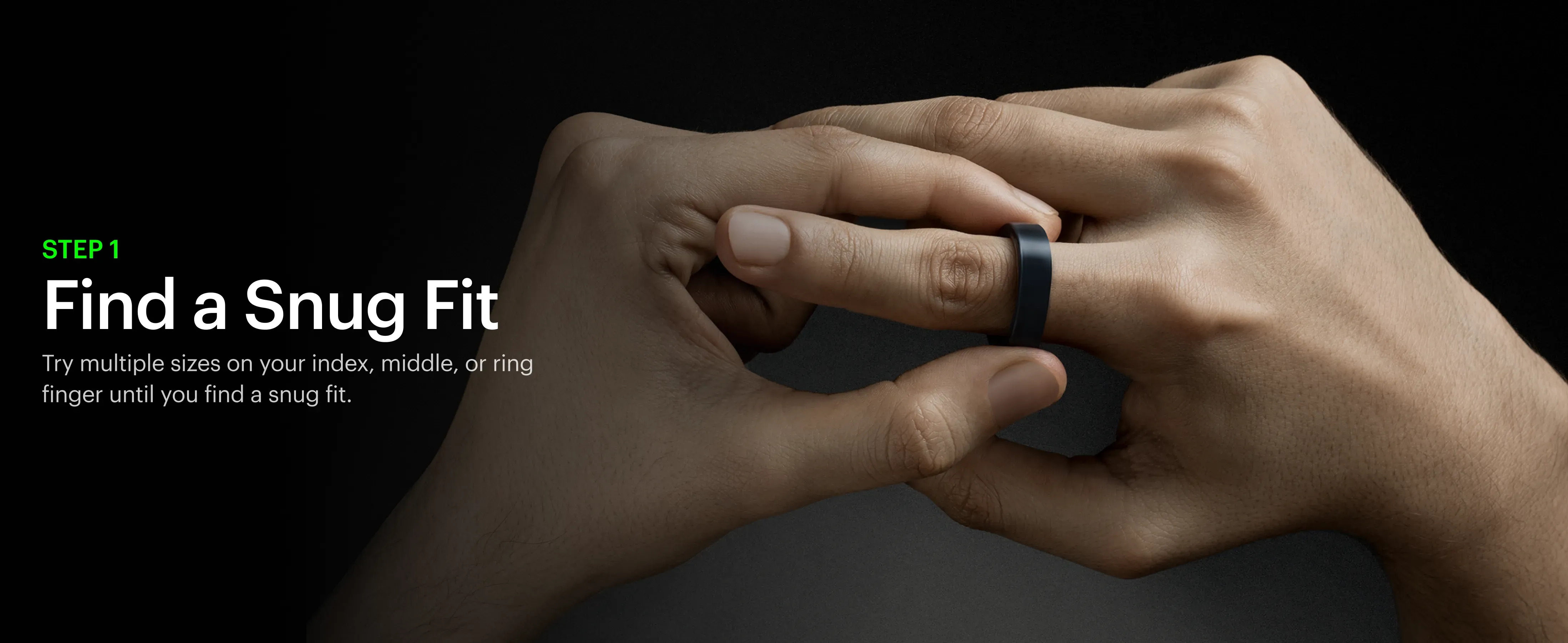
Smart rings, such as the Ultrahuman Ring, focus on continuous health tracking in a discreet form factor. They are designed to be worn 24/7, including during sleep and workouts.
Pros: comfortable, unobtrusive, excellent for sleep, recovery and stress insights. Cons: smaller display or no screen, so you rely on the app for details; sizing must be correct.
Based on our internal testing, rings are especially useful if your priority is deep insight into sleep, metabolic health and recovery rather than on-wrist notifications. In many cases, a ring can therefore be more practical than a traditional tracker.
What about smart patches and biosensing wearables?
Smart patches and sensors, including continuous glucose monitors (CGMs), attach to the skin to measure biomarkers in real time. These are increasingly popular among people optimising performance, managing metabolic health or working with healthcare professionals.
Pros: detailed, high-frequency data (for example, glucose trends in response to food and exercise). Cons: replaceable sensors add ongoing cost; setup is slightly more involved.
In the UK, some patches are available via NHS prescription for diabetes management and others via consumer services for optimisation and experimentation. According to UK clinical guidance, medical CGMs used for diabetes should be selected in consultation with a healthcare professional.
When should I consider hybrid and specialist devices?
Other wearable health gadgets include:
- Chest straps for highly accurate heart rate during sport.
- Smart clothing with embedded sensors for posture, muscle activation or temperature.
- Medical-grade wearables for ECG, blood pressure or arrhythmia detection, sometimes regulated under UK medical device rules.
These are best suited to athletes, people under guidance from healthcare professionals, or those with specific conditions. If you fall into these groups, always check whether the device is CE or UKCA marked and whether it aligns with current UK or NICE guidelines.
What features should I look for in a wearable health device?
Once you have chosen the type of device, evaluate features systematically. This is where you truly compare wearable devices in the UK and avoid being swayed purely by marketing claims. According to UK consumer advice bodies, you should weigh up both technical performance and longer-term ownership costs.
How important are data quality and sensor accuracy?
Data quality underpins every insight. Look for:
- Optical heart rate sensors with multiple LEDs and photodiodes for accuracy across skin tones and during movement.
- Multi-sensor setups (accelerometer, gyroscope, skin temperature, SpO₂) for richer insights into sleep stages, recovery and stress.
- Validation and transparency: brands that publish validation studies, partner with universities or reference peer‑reviewed evidence inspire more trust.
Ask: does the brand explain how it calculates metrics like “recovery score” or “stress index”, or are they black boxes? Based on our own validation work, transparent algorithms generally correlate better with real-world outcomes because they are easier to scrutinise and improve.
Which health metrics actually matter?
Avoid chasing every metric. Focus on those aligned with your goals:
- For general fitness: steps, active minutes, heart rate zones, VO₂ max estimates, workout detection.
- For sleep and recovery: sleep stages, time in bed vs asleep, heart rate variability (HRV), resting heart rate, skin temperature.
- For metabolic health: glucose trends (via CGM), activity timing, sleep, and nutrition logs combined for context.
- For heart health: high/low heart rate alerts, irregular rhythm notifications, ideally ECG on specific devices if recommended by a clinician.
Ultrahuman, for example, focuses on linking sleep, movement and metabolic signals to show how daily choices influence long-term health, rather than simply counting steps. According to emerging research, this joined-up view can support better habit change than isolated metrics.
How long should the battery last?
Battery life has a direct impact on whether you actually wear the device:
- Rings and some trackers: often 4–7 days or more on a single charge.
- Feature-rich smartwatches: sometimes only 1–2 days with all sensors and notifications enabled.
- Patches/CGMs: fixed lifespan (for example, 10–14 days per sensor) before replacement.
Check whether charging is fast, uses a robust dock or cable, and fits your routine (for example, charging during a daily shower rather than missing sleep data). Based on real-world usage, devices with at least three days of battery life are easier to keep in continuous use.
How do comfort, design and lifestyle fit affect my choice?
Your “best wearable fitness tracker in the UK” is the one you are happy to wear day and night. Consider:
- Form factor: ring vs watch vs band vs patch.
- Materials: hypoallergenic metals or silicone, sweat and water resistance (especially for UK weather and swimming).
- Size and weight: light enough for sleep, secure enough for exercise.
- Style: does it fit with workwear, sports kit and social occasions?
Based on our testing, comfort and aesthetics are among the top reasons people in the UK either stick with or abandon a device after the first month.
Ready to try Ultrahuman?
Shop Now — £329.00